
Wisdom tooth extraction is the surgical procedure which removes one or more permanent wisdom teeth. They are situated in the back of the mouth on the top and bottom. The wisdom tooth extraction might be required at some stage during your lifetime. Wisdom teeth, commonly known as third molars final teeth to be erupted and they are frequently impacted, or caught behind teeth. If not addressed they could lead to infection and pain. Wisdom tooth extractions are usually performed by a dentist, oral surgeon, and require a small incision to the bone and gum. It’s possible to opt for either local or general anesthesia, based on your individual case. Here is the information you should be aware of regarding wisdom extractions of teeth:
Wisdom tooth extractions are usually carried out by a dentist an oral surgeon. Wisdom teeth are third molars, and they’re typically the last ones to emerge. Wisdom teeth extractions are generally advised when they’re imperforate, meaning that they grow at an angle and press against other teeth. Wisdom tooth extractions are advised when Wisdom teeth aren’t growing properly or if they are causing a crowding of other teeth, which causes problems when chewing and speaking. The options for wisdom tooth extractions are local, intravenous, general, and intravenous. The type of anesthesia used will be determined by the particular patient and the extent of the procedure. Wisdom tooth extractions usually take about 30 minutes to 1 hour to complete and patients are likely to experience some swelling and discomfort following the procedure. Wisdom tooth extractions are completed in just a couple of days. The majority of patients feel better within a week and are able to resume normal activities promptly.
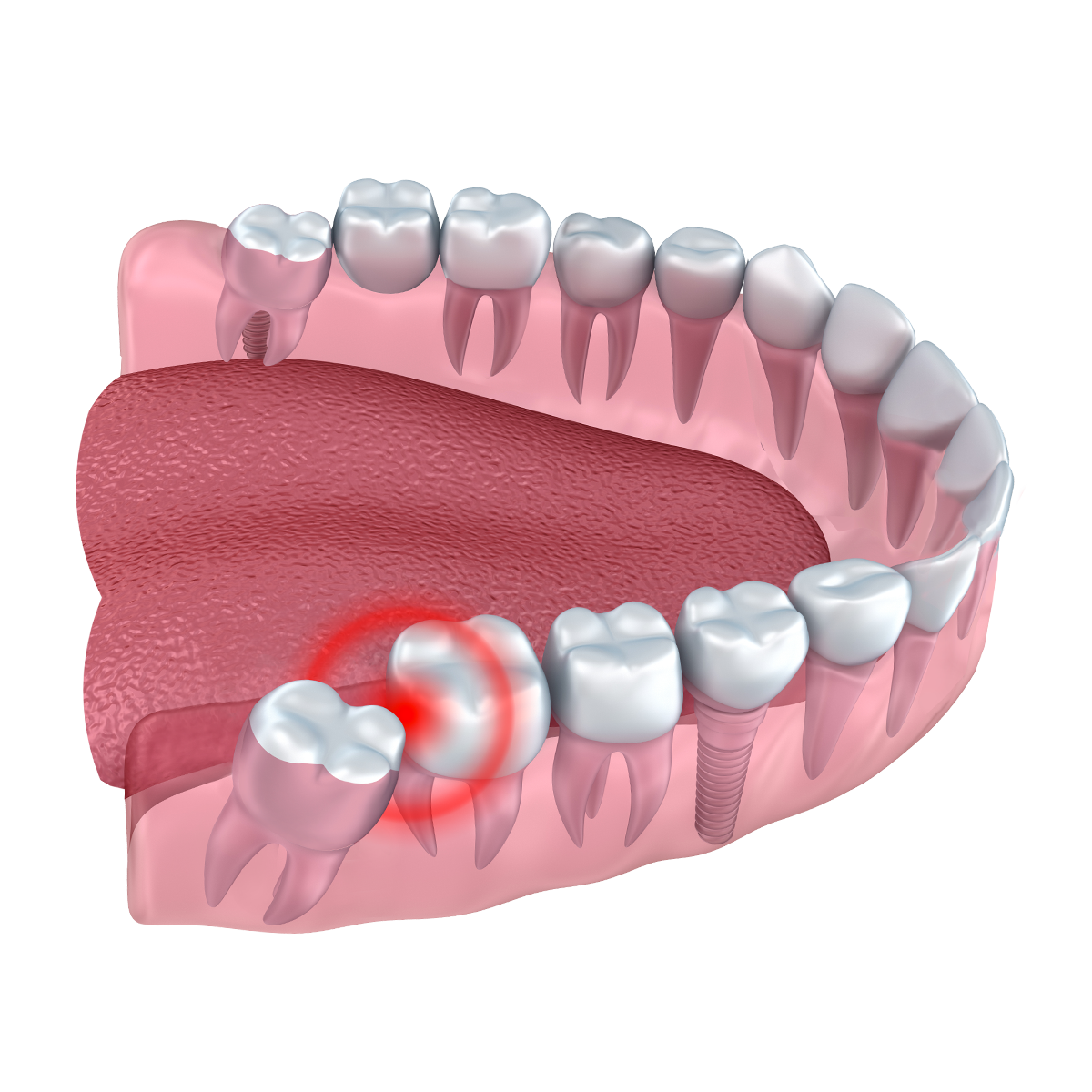
They are usually required to be removed from the gums and bone. They are typically the last teeth to be extracted and generally appear in the late teens or early twenties. Wisdom teeth can be beneficial to some. Wisdom teeth may cause swelling, crowding, pain and discomfort for some people. Wisdom teeth may require extraction if the root is impacted, if it is infected or decayed, or if it causes discomfort or crowding. An oral surgeon is usually the one who performs wisdom tooth extractions. It is a simple cut in the gum and bone. Wisdom tooth extractions can be performed as outpatient procedures, and most patients recover within a few days. In some cases, Wisdom teeth extractions may require emergency procedures if the tooth is infected or is causing extreme pain.
Wisdom tooth extractions are a common dental procedure, but it doesn’t mean that they’re always necessary. Sometimes, wisdom teeth can be kept in place and don’t cause any problems. But, there are situations when it’s better to remove them. These are the indications you may need to get wisdom teeth removed
1. Wisdom Teeth Impaction: Wisdom teeth can become trapped in the jawbone gums, and they won’t emerge correctly. This can cause discomfort, inflammation or damage to adjacent teeth. To prevent any further issues your dentist may suggest that wisdom teeth be extracted.
2. Wisdom Dental Cysts: Sometimes wisdom tooth cysts are formed. These are fluid-filled sacs in the bone that may cause tissue and bone damage. To avoid further damage Your dentist may suggest the removal of an wisdom tooth cyst.
3. Wisdom Teeth Infection. If your wisdom teeth are infected, it is crucial to seek immediate treatment. Wisdom tooth infections can cause serious damage to the jawbone and teeth surrounding it, so emergency extraction may be necessary to avoid any further complications.
These issues can be serious and it is imperative to see a dentist as soon as possible for a diagnosis of whether you need the extraction of your Wisdom teeth removed.
For more information, click edmonton emergency dental clinic