
A strong WiFi signal is essential for efficiency and seamless connectivity in today’s digital world. A well-planned placement of Wireless Access Points is key to achieving this. The position of the WAP is essential to ensure reliability and stability. We’ll take a look at WAP devices, and then learn how to choose the ideal access point for your home to ensure optimal wireless connectivity.
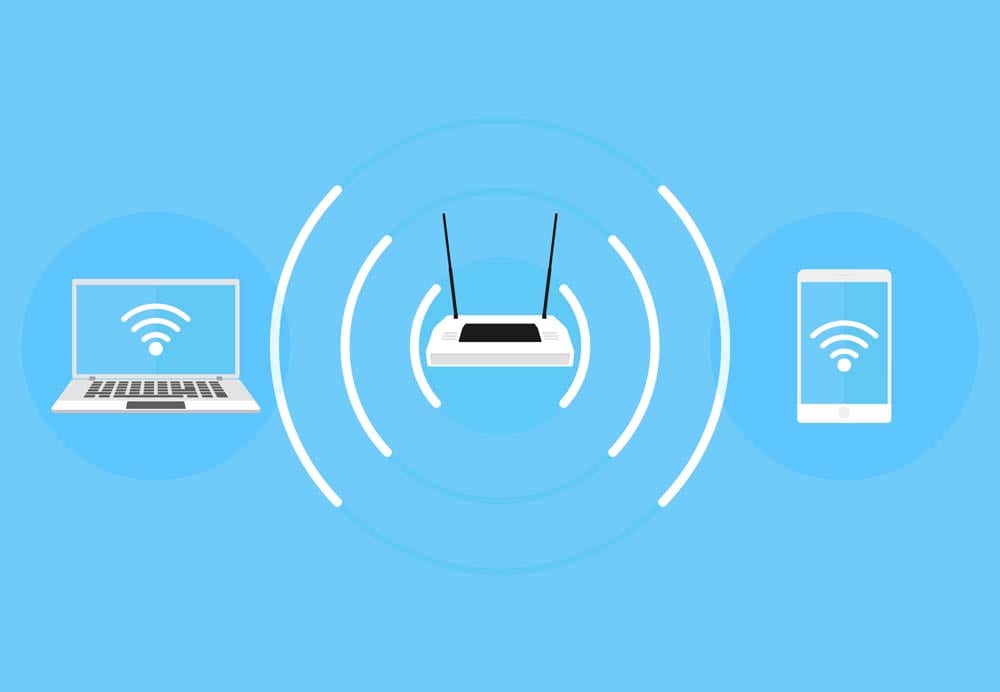
The Wap Wireless Access Point is a vital networking device that enables wireless-enabled devices to connect to a wired network via WiFi or comparable standards. It’s a vital device that helps you extend the reach of your wireless network, and eliminate the need for heavy wires. WAPs WAP receives data from a router via an Ethernet cable, and converts the information into the radio signal. This signal can be picked up by WAP devices, providing them with access to the network.
The Impact of WAP Placement
It is vital to place the WAP in a strategic location to ensure a stable WiFi signal across your entire area. The location of the WAP impacts the performance, range and strength of the signal on the WiFi network. A WAP placed in an the optimal location will assist in reducing interference, improve coverage, and improve connectivity experience.
Factors that impact the strength of WAP’s signal
The signal WAPs send to your device can be affected by a variety of aspects. The most important ones are:
Signal Strength: The strength of the signal transmitted through the WAP.
Range: The length of time that the WAP can send an unwavering and stable signal.
Interference: Obstacles or devices that can block the WiFi signal.
The Most Effective Home Access Point
To ensure the best wireless performance, selecting the best WAP for your office or home is vital. Here are some things to think about when selecting the most suitable WiFi access point for your home:
Signal Strength and Range: Look for a WiFi that has strong signal strength and an wide coverage area. It will guarantee that the WiFi signal is accessible throughout the areas you want without dead spots.
Interference Management: Choose a WAP that features technologies to limit interference. This might include dual-band, or tri-band features to navigate crowded WiFi channels.
Ease of Setup and Configuration Select a WAP that can be set up and configure. Simple installation processes and intuitive user interfaces can save you both time and energy.
Security Features: Give preference to WAPs that have robust security options, such as encryption protocols as well as security options. This protects your network data and assists in securing it.
Scalability: Be sure that the WAP is able to handle the number of devices you plan to connect. Scalable WAPs grow as networks expand, making them a future-proof purchase.
The optimal placement of WAPs for maximum performance
Central Location: Set the WAP in a central spot to ensure uniform distribution of WiFi throughout the space. This reduces dead zones, and also ensures a consistent connection across the area.
An elevation: Position the WAP in a higher spot for example, on a ceiling or wall. This allows for broadcasting the signal efficiently, providing better coverage and less obstructions.
To avoid interference, keep WAP clear of items or substances that could create interference, like wireless phones, microwaves or even metal structures. This helps maintain a clean and stable WiFi signal.
Professional Assessment: Think about consulting with IT professionals to conduct a thorough analysis of your space. They can identify the best locations for WAPs to be placed based on your requirements.
The article’s conclusion is:
In the world of evolving technology, having an effective WiFi connection is a must. Wireless Access Points play an essential role in this by extending the range of your network as well as providing steady WiFi signal. Placing your WAP strategically and selecting the best wireless access point are crucial factors in achieving optimal WiFi performance.
Making the effort of the evaluation of your space, knowing the factors that affect WAP signal strength and considering the essential features of a WAP can significantly improve the quality of your WiFi. The art of positioning WAPs can help you fully utilize the power of your WiFi and provide uninterrupted connectivity.