
Portable Appliance Testing Reading (also known as PAT Testing) is a vital procedure to ensure the safety and reliability electrical appliances. No matter if it is a classroom, office, a workshop or a rental PAT Testing can play an essential role in adhering to security and health guidelines. PAT Testing in Reading and surrounding areas is vital to reducing electrical hazards and creating a safer space. This article examines the importance of Reading PAT Testing, shedding light on its importance for landlords, businesses, and individuals.
PAT Testing is a thorough examination of electrical appliances to determine their safety and proper functioning. In Reading the procedure is vital for all establishments, from schools, offices and workshops to rental properties like Houses in Multiple Occupation (HMOs). It’s a measure that aims to avoid electrical injuries by detecting potential defects, wear and tears, or other damages.
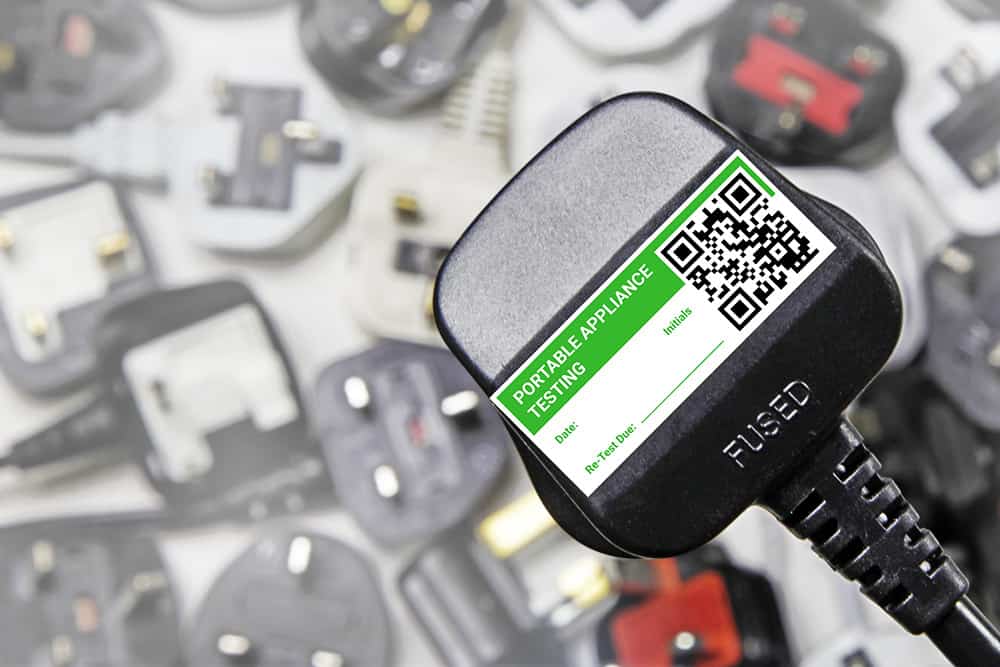
Reading is the name of a city with many commercial and residential properties. Each has its own electric needs. From classrooms that are bursting with computers at schools, offices equipped with computers, as well as workshops that utilize a range of tools the need for PAT tests is universal. DJs who use sophisticated musical equipment and landlords who are accountable for tenant safety also fall under the purview of this essential safety measure.
Health and Safety Regulations: Ensure Compliance
Respecting health and safety rules is a legal requirement as well as a moral duty for every property owner and business in Reading. Electricity at Work Regulations demand that all electrical equipment offered to tenants, employers or businesses be safe for use and in an overall secure condition. The PAT Test is an effective method of ensuring that the equipment is in conformity with these regulations. It minimizes the risk of electrical malfunctions leading to fires and injuries.
The Process of PAT Testing is a way to ensure safety.
PAT Testing involves a series of tests and inspections carried out by certified professionals. These tests are intended to assess the electrical stability of appliances and equipment. Visual inspections are followed by tests conducted with specialized equipment, which aim to find any defects leakages, irregularities, or other issues that may compromise the safety and function of the device.
Certified Appliance Testers
Certified appliance testers play a pivotal role in reading PAT testing. These professionals have the skills and experience to conduct reliable tests and precise exams. They can spot the potential dangers and hazards that might not be apparent to a non-trained individual. Using appliance testers in Reading assures that the PAT testing process is thorough and reliable.
Benefits of PAT testing on a regular basis
Enhanced Safety: Regularly performing PAT tests lowers the dangers of electrical accidents like shocks or fires. Additionally, it helps to create the safety of the people who are in it.
Risk mitigation. Detecting wear or defects through PAT testing allows for prompt repair and replacement.
Legal Compliance: PAT Testing aids property owners and businesses in Reading comply with legal requirements, while ensuring compliance to the health and safety rules.
PAT Testing can bring about long-term savings in costs by the identification of problems and resolution quickly.
Reading: PAT testing is a way to prioritize safety.
Reading with its numerous property and business activities has a lot to gain from the introduction of PAT Tests. It’s a method to ensure that electrical equipment that is utilized in different places, is safe and complies with regulations, functioning properly, and is operating at the highest level of performance. Whether you are a business owner, landlord or just a private person investing in PAT Testing is investing in the security and well-being of everyone. Embrace PAT Testing to foster security in your workplace, decrease the dangers of electrical energy, and to comply with regulations, ultimately contributing to an improved safety Reading community.