Artificial intelligence (AI) has revolutionized the way software developers write their programs. Code assistants are able to create functions in mere minutes, and explain code that is not understood and even suggest fixes. However, most development teams quickly realize that writing codes is only a small part of engineering. Knowing the entire repository remains the biggest challenge.
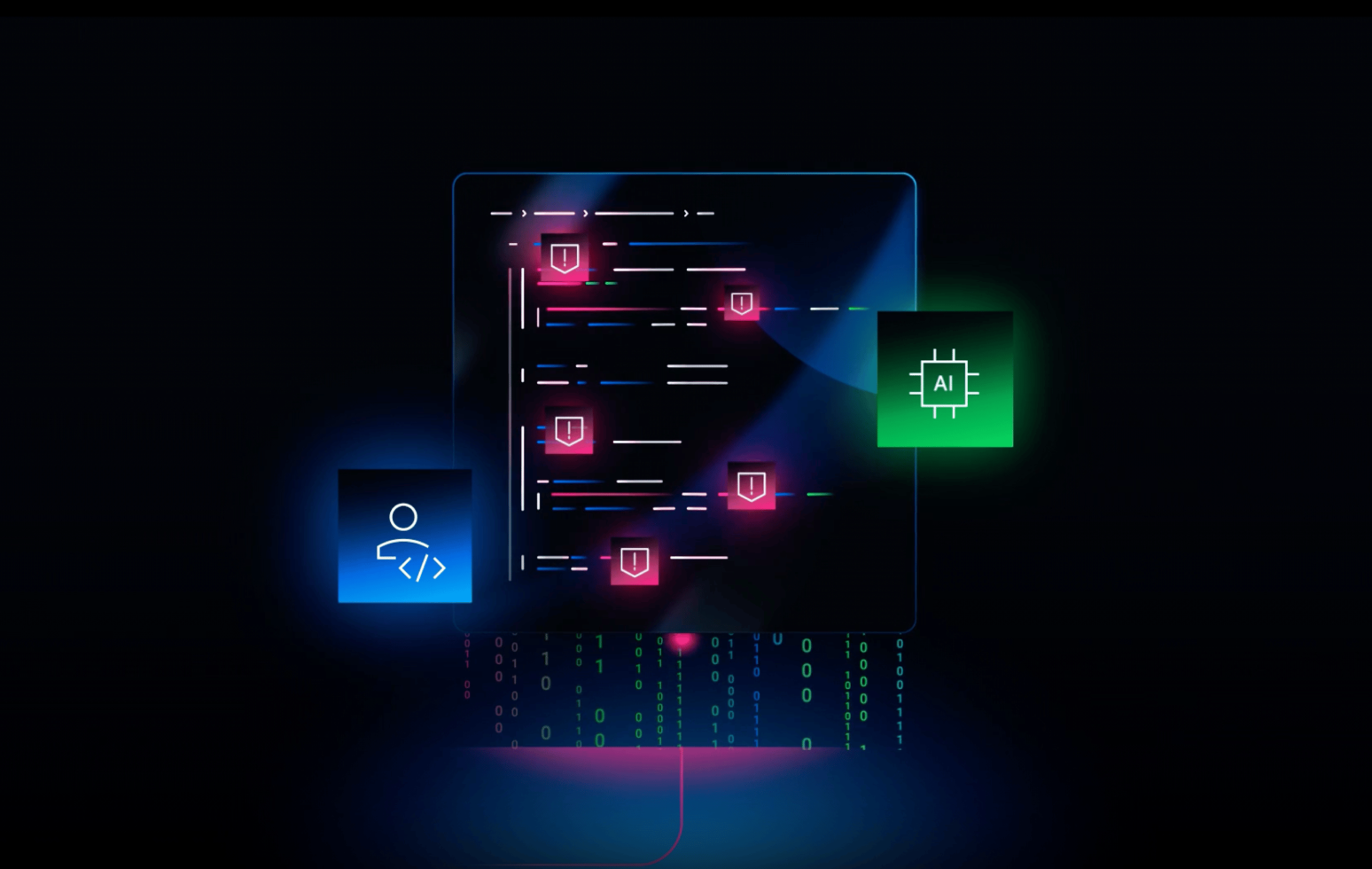
Large projects usually contain thousands of interconnected files, libraries, APIs, and dependencies. If an AI assistant is reading files without understanding the relationships between them, it might not be able to identify the root cause of a flaw or result in unexpected consequences. repository intelligence for coding agents becomes increasingly valuable, providing structured insight before changes are ever proposed.
Context is essential to make better engineering choices
The developers are spending a lot of time tracking dependencies, finding the root cause and determining which changes could impact other components of the project. Automating the discovery process, engineers can focus on resolving issues rather than looking for them.
Codna uses a different approach to software analysis by establishing a certain understanding of a repository’s entire structure prior to the time that AI begins to create corrections. The system does not use the model’s entire context to review a large number of files. Instead, it maps symbols, dependencies, a possible blast radius, and only presents the information necessary for the job. The platform reduces unnecessary processing which allows AI to perform its tasks with more certainty.
Reliable fixes require verification
Trust is one of the main concerns of AI-assisted design. An idea may seem correct, but it could also cause problems or fail tests that have already been conducted. The engineering teams must be confident that the proposed changes will be effective in their respective applications.
It should be able to perform more than propose modifications. It must be able to evaluate the potential impact and confirm that the modifications are compatible with the projects’ tests. This process of verification can help minimize risks while also allowing faster development times.
Codna’s workflows for validation and analysis of repositories let developers to move from identifying a problem to reviewing the solution that has been tested with less manual analysis.
Privacy and performance remain essential
As AI-assisted Design becomes increasingly popular, companies are considering how sensitive source codes should be dealt with. For leaders in engineering privacy, compliance and protection of intellectual property have become crucial considerations.
Codna’s focus on understanding of local repositories, privacy-first architecture and rapid analysis allows development teams to be more in control of their code. A deterministic map and persistent memory increase efficiency and decrease data movement without risking security.
The next generation of smart development workflows
Software engineering will not be reliant on the large language models alone in the near future. Instead, it’ll integrate sophisticated reasoning and a specialized infrastructure capable of understanding complex repositories and ensuring that changes are valid as well as assisting developers through the software lifecycle.
The change in attention is the result of this. AI systems are now able to do more than just create code. They can also spot issues, analyze the dependencies of their systems, recommend security-conscious solutions, and test the outcomes. These capabilities when coupled with strong repository intelligence in the coding agents, allow engineers to spend less time debugging software and more time delivering it.
Codna’s methodology is designed to work in real engineering environments. It focuses on understanding the repository as well as code verification and automated workflows controlled by developers. Codna is an advanced AI code-repair platform that transforms huge, complex code into a structured and logical knowledge. The developers as well as AI systems can collaborate better and produce more quickly, safer, more reliable software.