
The month has come to an end. The month is finished.
Check the bank account of the restaurant.
It wasn’t the number you would have expected.
Restaurant owners may find this disconnect frustrating since they believe profits and cash flow should be the same. Both of them don’t match in. A P&L measures financial performance over a period, while the bank account reflects the timing of money actually being moved into and out of the company.
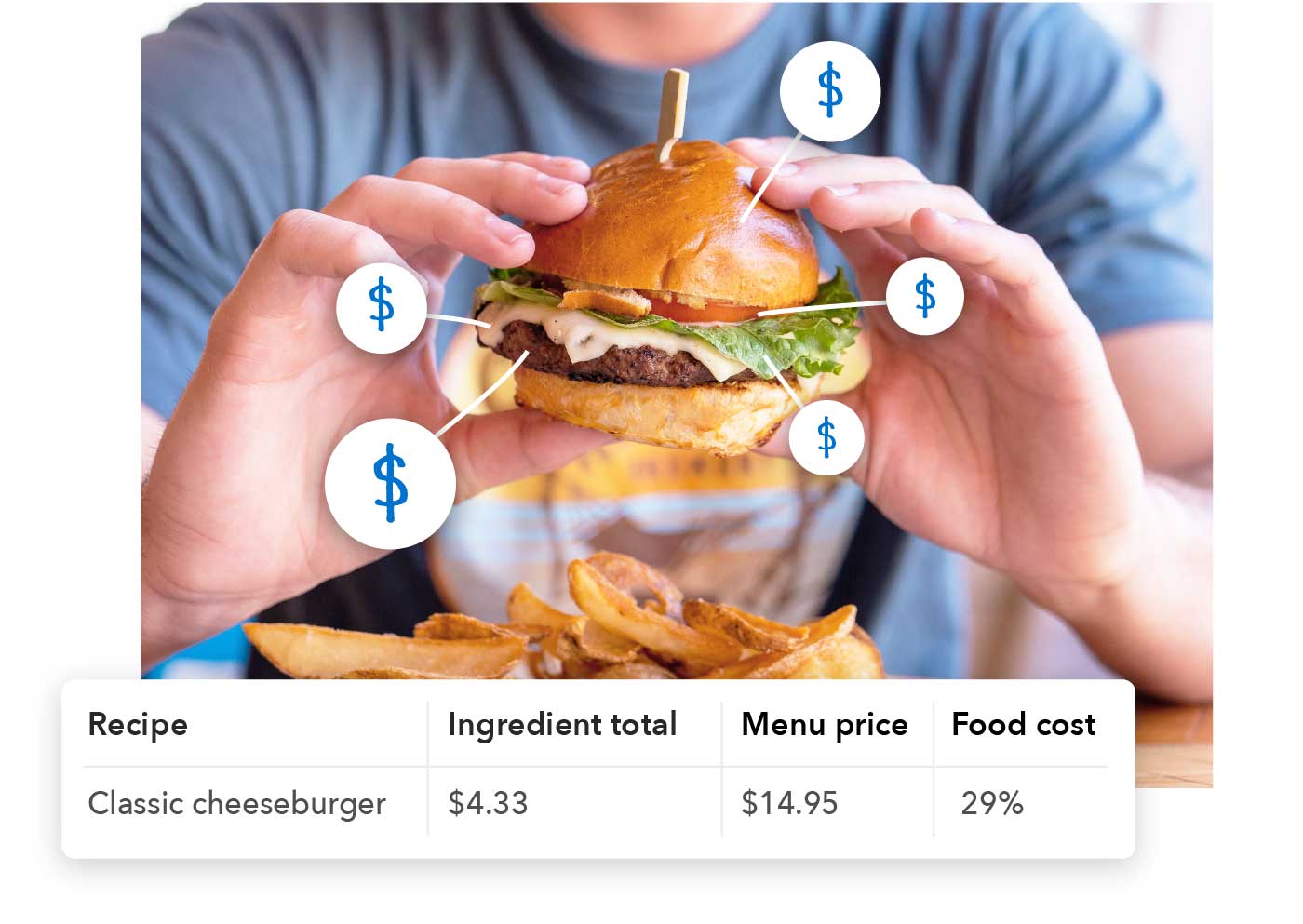
Understanding the different aspects could help restaurant owners shift their perception of restaurant financials.
Consider what happens during an normal week. The customers pay for food. Employees are required to be paid. You will receive invoices along with drinks and food deliveries. Rent is getting closer. The time frame for debits to credit cards differs. Taxes on sales have been collected, however that money is a legal obligation.
On the other hand, the next week’s shopping has already started.
Focusing on revenue only or the number of profits at the end isn’t a good way to assess the full scope of what happens.
Prime Cost Could Hold the Key to the Solution
Food, beverages and labor cost are all worth a close at when profitability in restaurants begins to go downhill.
Cost of sales combined with labor is the prime cost. The Bookkeeping Chefs’ guidance places the prime cost between 60 and 65% of revenues for many restaurants. They also recommend regular monitoring of the week instead of waiting until the month ends.
It is essential to be able detect the changes before they occur rather than obsessing over certain percentages.
Let’s say that typically, the restaurant does well, however this week it’s a higher percent. Maybe the number of overtime hours went up. Perhaps beverage costs were steady However, food expenses increased. A higher proportion of food could lead the business owner to examine the purchase, waste management, portions and menus, or vendor costs.
The percentage is the key. The activity of the restaurant itself provides the answer.
A weekly report makes this conversation possible and everyone remembers the events.
The details are harder to recall just a few days later.
The Vendor’s Bills Are Received
Restaurants may purchase ingredients one week and pay for them next week. This is a way to explain why profit alone is not enough to answer all cash related questions.
Invoices from vendors need to be tracked, accepted and paid. In a busy operation with many suppliers, completing that manually can become an administrative task.
Automating accounts payable helps to streamline the process by cutting down on the need to handle bills in a repetitive manner and payment information. The bookkeeping system that is connected to the internet can give the user a better picture of debts that haven’t yet reached the account of the bank.
It’s beneficial because, when considered as a whole a restaurant s bank balance might appear to be better than its actual short-term financial position.
There is currently an amount of $80,000 in the account. This amount could mean something different when you consider that rent, payroll and vendors obligations will consume a large part of it in the next few days.
This is the reason for cash flow forecasting.
The most appropriate question to ask is “What happens to our funds after we receive it and have met our commitments we’ve identified?”
It is important to know the difference before deciding if this week is the best opportunity to replace equipment, purchase more products or to conserve liquidity.
You might not have been legally entitled to the full amount you thought.
Sales tax illustrates the point in particular.
A restaurant receives money from customers and has to be managed according to tax requirements. If these dollars are mentally combined with normal operating cash, then the balance in a bank can be misleading about how much money is available.
Regularly maintained records help restaurants to comply with the sales tax laws, while providing a realistic picture of their financial situation.
This is one reason restaurant accounting can be more effective when financial responsibilities aren’t treated as distinct islands.
Prime cost affects margin. COGS and future payment are affected by the purchase of vendor products. Payroll is a factor that affects the amount of cash available and also the labor percentage. Sales tax influences cash availability. The P&L records financial performance, while forecasting aids management in looking ahead.
The pieces join.
Bookkeeping Chef assists in bringing these pieces together using restaurant-specific reports and system integrations. For operators who don’t want to spend their nights manually reconciling financial data, specialized outsourced bookkeeping services can handle much of the accounting workload without removing the owner from the financial conversation.
That last part matters.
Restaurant owners should never stop reading the books, even if they’re managed by another. It’s important that the owners are informed so that they know the situation.
If the P&L reports that the restaurant earned money but the bank account seems to be a bit unbalanced, don’t think that some of the figures must be wrong.
Ask about the events that occurred between them.
That question can teach you something more about the food you serve than either number can alone.